
Rainfall: Importance, Types, and Benefits
7 Amazing Facts About Rainfall: Complete Guide Learn about rainfall, its types, importance, benefits, and role in the water cycle. Discover how rainfall supports agriculture, ecosystems, and human life.
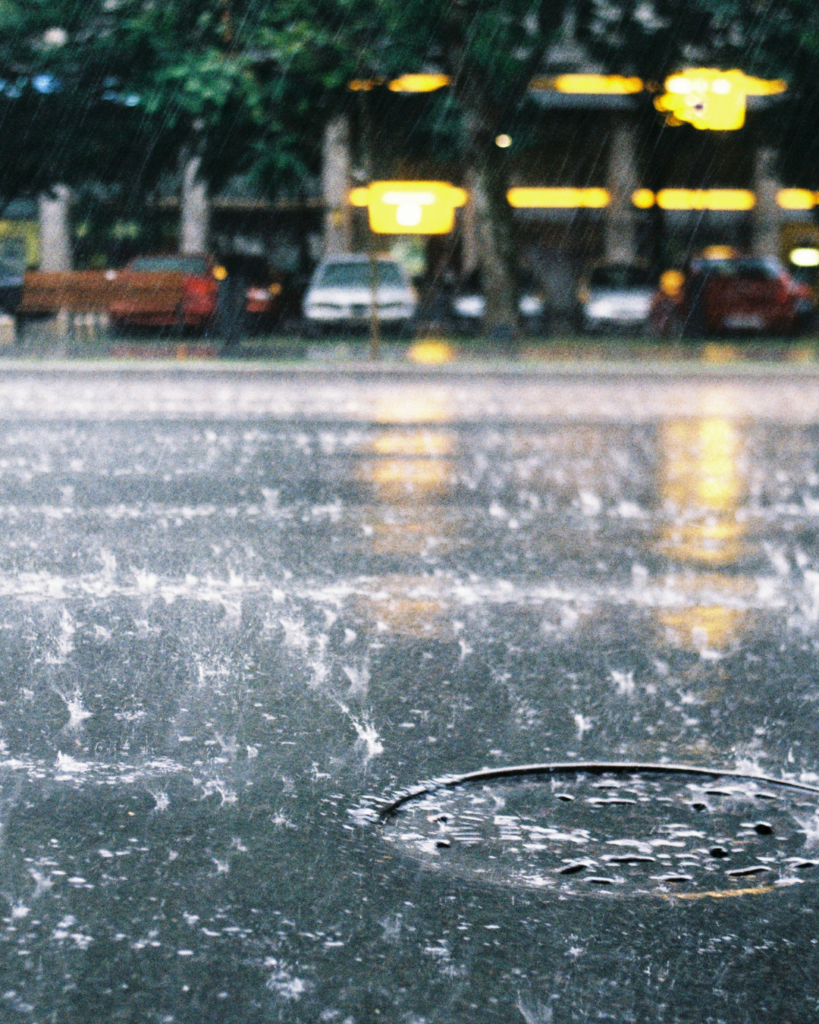
Rainfall: Importance, Types, and Benefits
Rainfall: Nature’s Precious Gift
Table of Contents
Rainfall is one of the most important natural processes on Earth. 7 Amazing Facts About Rainfall: Complete Guide It plays a vital role in maintaining life, supporting agriculture, and replenishing water resources. Rain occurs when water vapor in the atmosphere cools and condenses into tiny droplets, which eventually become heavy enough to fall to the ground.
Rainfall 7 Amazing Facts About Rainfall: Complete Guide
Rainfall is a key part of the water cycle. Water from oceans, rivers, lakes, and other water bodies evaporates due to the sun’s heat. The water vapor rises into the atmosphere, where it cools and forms clouds. When the clouds become saturated, rain falls back to the Earth’s surface.
The importance of rainfall cannot be overstated. 7 Amazing Facts About Rainfall: Complete Guide It provides fresh water for drinking, irrigation, and industrial use. Farmers depend on rainfall to grow crops and produce food.7 Amazing Facts About Rainfall: Complete Guide Adequate rainfall helps maintain soil fertility and supports healthy plant growth. Forests, grasslands, and wildlife also rely on rainfall for survival.
Rainfall affects the climate and weather patterns of a region. Areas with regular rainfall often have lush vegetation and fertile land, while regions with little rainfall may experience droughts and water shortages. Excessive rainfall, however, can lead to floods, soil erosion, and damage to infrastructure.
There are different types of rainfall 7 Amazing Facts About Rainfall: Complete Guide, including convectional rainfall, orographic rainfall, and cyclonic rainfall. Convectional rainfall occurs when warm air rises and cools. Orographic rainfall happens when moist air is forced to rise over mountains. Cyclonic rainfall is associated with weather systems such as storms and cyclones.
Rainfall also helps recharge groundwater supplies and fill reservoirs, lakes, and rivers. These water sources are essential for human consumption and economic activities. Without sufficient rainfall, many regions would face severe water scarcity.
Climate change is affecting rainfall patterns across the world. Some areas are experiencing more intense rainfall and flooding, while others are facing prolonged droughts. Sustainable water management and environmental conservation are becoming increasingly important to address these challenges.
https://ayurvedgrah.viocet.com/blogs/
In conclusion, rainfall is a precious gift of nature that sustains life on Earth. It supports agriculture, replenishes water resources, and maintains ecological balance. Protecting the environment and using water wisely can help ensure that future generations continue to benefit from this vital natural resource.
Rainfall is essential for maintaining the balance of nature and supporting life on Earth. It helps refill rivers, lakes, ponds, and underground water sources that are used for drinking, farming, and industrial purposes. Without regular rainfall, many regions would face water shortages, affecting both people and wildlife.
One of the major benefits of rainfall is its contribution to agriculture. Crops require an adequate supply of water to grow properly, and natural rainfall is often the most economical source of irrigation for farmers. Good rainfall can increase crop yields and improve food production, while insufficient rainfall may lead to drought and crop failure.
Rainfall also plays a significant role in regulating temperature and improving air quality. Rain helps remove dust, pollutants, and allergens from the atmosphere, making the air cleaner and healthier to breathe. After rainfall, the environment often feels fresher and cooler.
Forests and natural ecosystems depend heavily on rainfall. Trees, plants, and animals need water to survive and thrive. Regular rainfall supports biodiversity and helps maintain healthy habitats for various species.
In addition, rainfall contributes to hydroelectric power generation by maintaining water levels in dams and reservoirs. This renewable energy source helps meet electricity demands while reducing dependence on fossil fuels. Therefore, rainfall is not only vital for nature but also for economic development and sustainable living.